
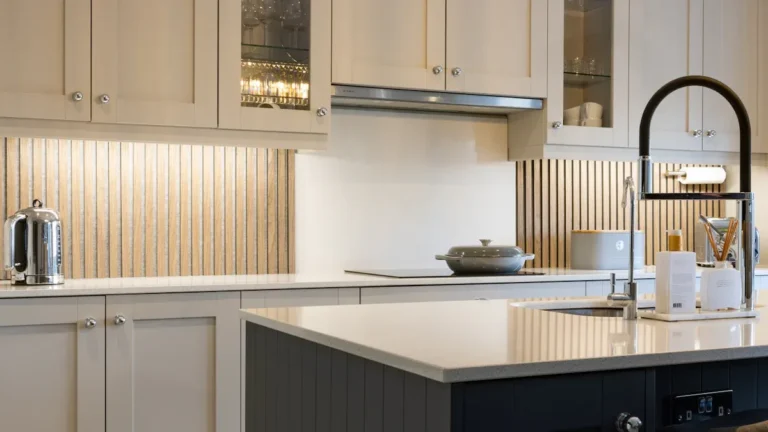
Kitchen base cabinet depth refers to the measurement from the front of the cabinet to the back wall. This measurement plays a big role in how a kitchen functions. Most homes use a 24-inch depth for base cabinets. This size gives enough room for storing pots, pans, and bins. It also lets plumbing and appliances fit well. Choosing the right depth helps homeowners organize their kitchen and move around with ease.
Key Takeaways
- The standard kitchen base cabinet depth is 24 inches, providing a balance of storage and accessibility for most kitchens.
- Choosing the right cabinet depth improves kitchen flow and makes it easier to reach items, enhancing overall comfort during cooking.
- Shallow cabinets (12-18 inches) are ideal for small kitchens, helping to save space and improve movement.
- Customizing cabinet depth can maximize storage efficiency and accommodate unique kitchen layouts or specific needs.
- Always measure both cabinet box and total depth, including countertop overhang, to ensure a proper fit for appliances and a functional kitchen.
Standard Kitchen Base Cabinet Depth
The 24-Inch Standard
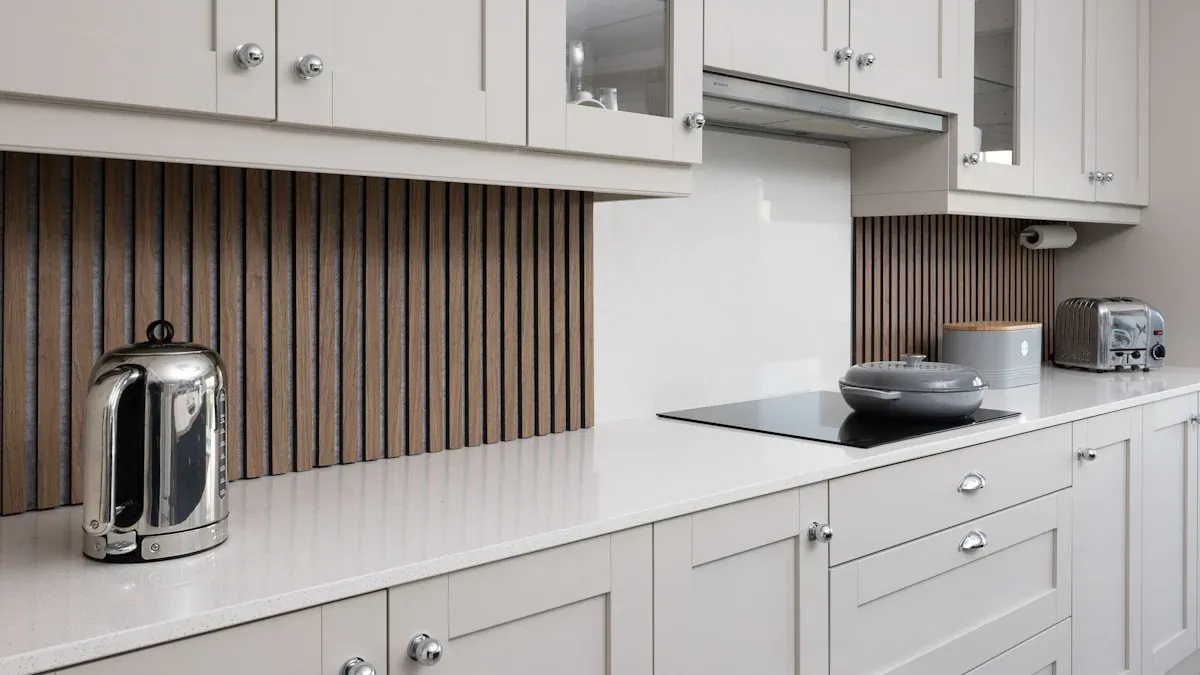
Most kitchens use a standard kitchen base cabinet depth of 24 inches. This measurement fits well with most kitchen layouts and supports common appliances. The 24-inch depth allows enough room for storage, plumbing, and daily use. Both residential and commercial kitchens rely on this size for its balance of function and accessibility. Some kitchens use alternative depths, such as 21 inches, but these are less common. Shallow cabinets, ranging from 12 to 18 inches, are popular in small spaces or for custom kitchen islands. The table below shows common cabinet depth measurements and their uses:
| Measurement Type | Depth (inches) | Notes |
|---|---|---|
| Standard Base Cabinet | 24 | Fits most appliances and offers good storage. |
| Alternative Depths | 21 | Used in some designs, but less popular. |
| Shallower Cabinets | 12-18 | Ideal for compact kitchens or special installations. |
Total Depth vs. Box Depth
Cabinet depth can refer to two different measurements: box depth and total depth. Box depth means the measurement from the front to the back of the cabinet itself, usually 24 inches. Total depth includes the countertop overhang, which extends the measurement to about 25 or 26 inches. The table below compares these two types:
| Measurement Type | Depth (inches) |
|---|---|
| Box Depth (standard) | 24 |
| Total Depth (with overhang) | 25–26 |
Deeper cabinets can store larger items, but they may be harder to reach. Shallow cabinets improve access, especially for people with limited reach. Choosing the right cabinet depth helps create a kitchen that is both practical and comfortable.
Countertop Overhang
Most kitchen countertops extend 1 to 1.5 inches beyond the cabinet base. This overhang protects cabinet doors from spills and crumbs. It also gives the kitchen a clean, finished look. The extra space makes it easier to clean and adds comfort for anyone working at the counter. A proper overhang also helps protect cabinet hardware and improves the overall design of the kitchen.
Tip: Always measure both the cabinet box and the total depth with the countertop when planning your kitchen layout. This ensures appliances and drawers fit well and the space remains easy to use.
Why Base Cabinet Depth Matters?
The balance between storage capacity and kitchen floor space
Choosing the right kitchen base cabinet depth is important for both storage and movement. Cabinets with a standard depth of 24 inches usually provide enough room for large pots, pans, and small appliances. This size works well for most kitchens and keeps the space from feeling crowded. Custom cabinet dimensions can help in kitchens with unique layouts or limited space.
- Cabinet depth affects how much you can store in your kitchen. Deeper cabinets hold more items, but they can make the kitchen feel tight.
- Shallower cabinets, such as those around 18 inches, help keep the floor space open. This is helpful in smaller kitchens where every inch counts.
- Standard cabinet depths offer a good balance between storage and accessibility. You can reach items easily without stretching or bending too much.
- Deeper cabinets, sometimes up to 36 inches, may be used in larger kitchens to store oversized cookware or specialty appliances.
- The choice of cabinet depth should also consider how easy it is to access items. Properly sized cabinets help keep the kitchen organized and support a smooth workflow.
How depth impacts your kitchen’s “Work Triangle”
The work triangle is a key part of kitchen design. It connects the sink, stove, and refrigerator. The right cabinet depth helps maintain clear paths between these areas. When cabinets are too deep, they can block movement and make the kitchen harder to use. If cabinets are too shallow, storage may not be enough for daily needs.
Cabinet depth also affects comfort during food prep and cleaning. Adequate depth allows for proper knee and toe clearance, which helps you stand upright and reduces back strain. Ergonomic design suggests that items used often should be stored within easy reach. This makes kitchen tasks faster and safer. The right cabinet depth supports both functionality and comfort, making your kitchen a better place to cook and clean.
Tip: Always consider your kitchen layout and how you use the space before choosing base cabinets. The right depth improves both storage and workflow.
Common Variations in Base Cabinet Depth
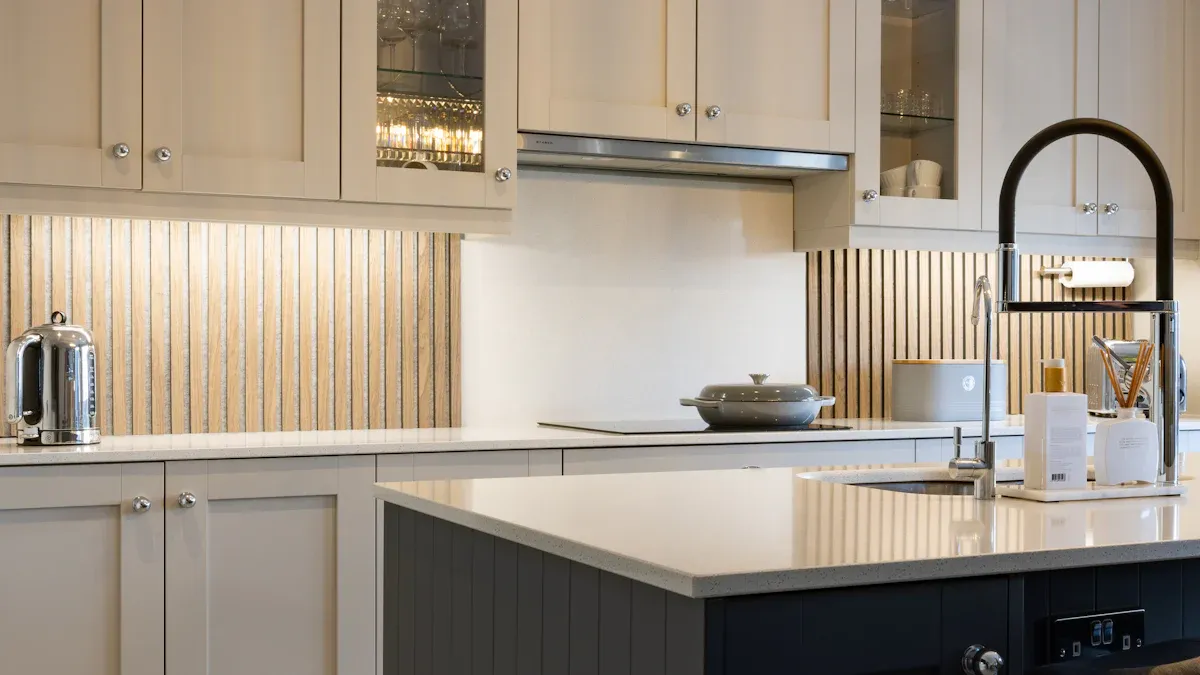
Kitchen base cabinet depth can vary to suit different needs and kitchen layouts. Adjusting cabinet depth affects storage efficiency, organization, and accessibility. Modern kitchen designs often use standard kitchen cabinet dimensions, but custom kitchen cabinets allow for more flexibility. Modifying depth can increase storage capacity for larger households or create a more open space in smaller kitchens. Understanding these variations helps homeowners choose the ideal cabinet dimensions for their kitchen size and layout.
Slim/Shallow Cabinets (12″–18″)
Slim or shallow cabinets range from 12 to 18 inches deep. These cabinets are useful in narrow kitchens or areas where space is limited. Reducing cabinet depth can protect walkways in narrow galleys and improve kitchen flow. Shallow pantry pull-outs, usually 12 to 15 inches deep, make it easier to see and reach stored items. This design enhances accessibility and keeps the kitchen organized.
- Shallow base cabinets (12″ deep) are ideal for tight spaces and improve traffic flow.
- They provide functional storage without blocking walkways.
- These cabinets are perfect for organizing dishes, cleaning supplies, and pantry essentials.
- 18-inch deep cabinets work well in narrow areas and help with organization.
- Pull-out designs in shallow cabinets make it easier to access smaller items like spices and canned goods.
Slim cabinets support efficient use of space and help maintain a comfortable kitchen layout. They also make it easier to keep items within reach, which improves overall functionality.
Deep Cabinets (27″–30″)
Deep cabinets, ranging from 27 to 30 inches, offer increased storage capacity. These cabinets are often used in larger kitchens where space is not a concern. Deep cabinets can store oversized cookware, baking sheets, and specialty appliances. However, increasing cabinet depth can sometimes make it harder to reach items at the back, which may lead to disorganization.
| Feature | Custom Cabinets | Standard Cabinets |
|---|---|---|
| Cost | Higher due to custom fabrication | More affordable due to mass production |
| Installation Complexity | More complex, requiring specialized skills | Simpler installation process |
| Design Flexibility | Greater design flexibility | Limited to standard dimensions |
| Storage Efficiency | Better storage efficiency | Standard storage options |
Custom kitchen cabinets with greater depth provide more storage options and flexibility in design. However, they often cost more and require specialized installation. Homeowners should weigh the benefits of extra storage against the challenges of accessibility and higher costs.
Island Cabinets
Island cabinets add both storage and workspace to a kitchen. The depth of island cabinets can differ from standard kitchen base cabinets. Most islands use a 24-inch depth on the front, matching standard kitchen cabinet depths. The back of the island often uses shallower cabinets, ranging from 12 to 18 inches. This setup prevents the island from feeling too wide and helps maintain open space in the kitchen.
| Type of Cabinet | Depth (inches) |
|---|---|
| Wall Cabinets | 24 |
| Island Front | 24 |
| Island Back | 12–18 |
- Shallower depths (12–18 inches) on the back of kitchen islands prevent the island from taking up too much space.
- Reducing the island’s depth to 21 or 18 inches is helpful in tight kitchens.
- Common configurations include 24-inch base cabinets on one side and 12- to 15-inch cabinets on the back for optimal storage and comfort.
Deeper island cabinets can sometimes make it difficult to see and reach items, which may reduce organization. Shallower cabinets improve access and reduce the need for bending or stretching. In smaller kitchens, even a slight reduction in cabinet depth can improve kitchen flow and make it easier to move around.
Note: Choosing the right kitchen cabinet depth for islands and other areas depends on kitchen size and layout, storage needs, and how you use the space. Adjusting cabinet depth can improve both storage capacity and overall functionality.
By understanding the common variations in kitchen base cabinet depth, homeowners can make informed decisions that enhance storage, organization, and the overall design of their kitchen.
Design Decisions: How to Choose the Right Depth
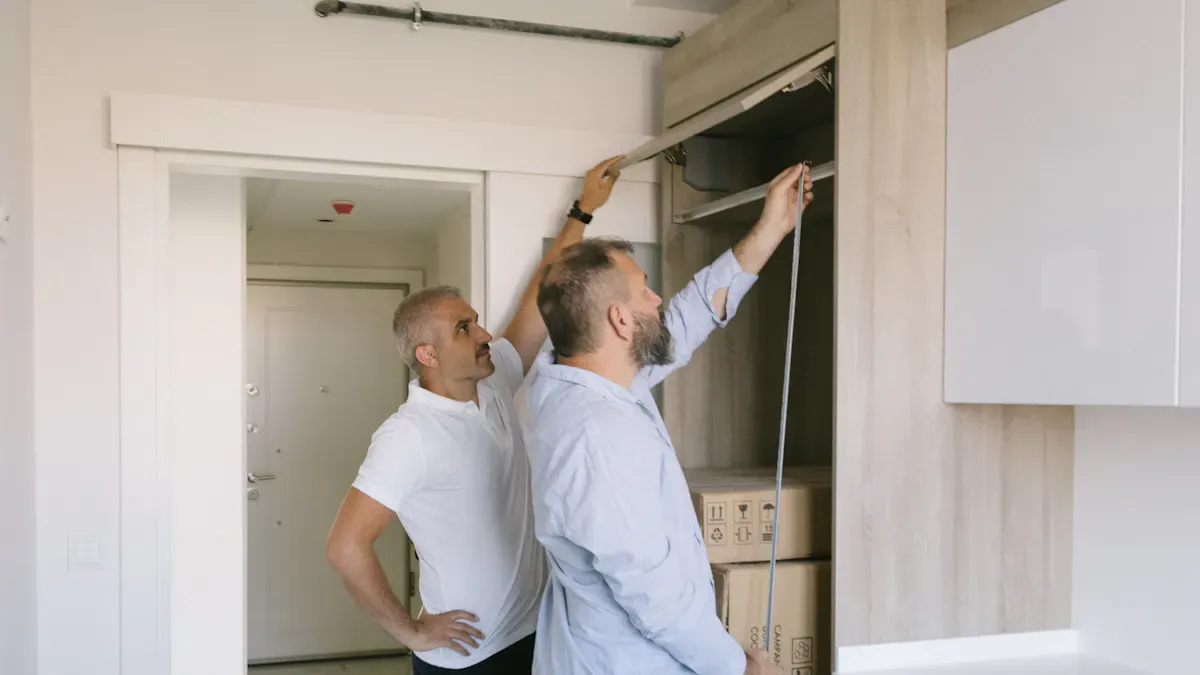
When planning a kitchen, choosing the right cabinet depth is essential for both design and functionality. Several factors influence this decision. Homeowners should consider kitchen size, user needs, accessibility, and layout. Cabinets must fit the available space and support daily routines. The right cabinet depth improves storage, organization, and overall kitchen flow.
Appliance Integration
Selecting the right cabinet depth ensures appliances fit seamlessly. Most dishwashers and ovens are designed for a standard depth of 24 inches. This measurement allows appliances to sit flush with the cabinet face, preventing awkward gaps or protrusions. The table below highlights key points for appliance compatibility:
| Aspect | Details |
|---|---|
| Standard Depth | 24 inches |
| Appliance Compatibility | Most major appliances fit within this depth |
| Ergonomic Access | Easy access and smooth integration |
| Countertop Overhang | Extends 1–1.5 inches, affecting workspace depth |
Matching cabinet depth with appliance dimensions avoids installation issues and supports a clean, unified look.
Small Kitchen Hacks
In small kitchens, maximizing every inch is crucial. Slim profile cabinets, reduced from 24 inches to 21 or even 18 inches, improve circulation and keep the space open. Floor-to-ceiling cabinets add vertical storage, making use of high ceilings. Pull-out waste bins, inner drawers, and slide-out pantries boost storage efficiency without increasing cabinet depth. Under-sink drawers reclaim space lost to plumbing and reduce clutter. These solutions help homeowners organize their kitchen and keep items within easy reach.
Tip: Customizing cabinet depth in small kitchens can create more open floor space and improve accessibility.
Corner Solutions
Corners often present storage challenges. Specialized corner cabinets, such as those with mechanical systems or pull-out trays, convert hard-to-reach areas into usable storage. Adjusting cabinet depth in corners allows for better access and accommodates larger items. Shallow cabinets work well in tight spaces, while deeper cabinets hold bulkier cookware. Tailoring cabinet depth in corners enhances both accessibility and storage, supporting a more functional kitchen layout.
Choosing the right cabinet depth involves balancing ergonomics, storage needs, and kitchen design. Homeowners should measure carefully, consider appliance fit, and select cabinet options that match their daily routines. The right cabinet depth transforms the kitchen into a comfortable, efficient, and organized space.
Understanding kitchen base cabinet depth leads to better design choices and a more functional space. Selecting the right depth improves storage, organization, and daily workflow. The table below highlights long-term benefits:
| Benefit | Explanation |
|---|---|
| Improved Accessibility | Items stay within easy reach, reducing strain. |
| Enhanced Storage | Proper depth prevents clutter and lost items. |
| Better Kitchen Flow | Thoughtful planning supports smooth movement and cooking. |
Assess your needs and apply these tips to create a kitchen that fits your lifestyle.
FAQ
What is the standard kitchen base cabinet depth?
The standard kitchen base cabinet depth is 24 inches. This measurement fits most kitchen layouts and supports common appliances. Always check cabinet measurements before installation to ensure proper fit.
Can I customize my kitchen cabinet dimensions?
Yes, you can order custom cabinet sizes. Custom kitchen cabinet dimensions allow you to adjust depth, height, and width to fit unique spaces or special storage needs. Custom cabinets may cost more than standard options.
How does cabinet depth affect appliance installation?
Cabinet depth impacts how appliances fit in your kitchen. Most dishwashers and ovens require a 24-inch cabinet depth. Always match cabinet measurements to appliance sizes for a seamless look and easy use.
Are shallow cabinets a good choice for small kitchens?
Shallow cabinets, with depths of 12 to 18 inches, work well in small kitchens. They save floor space and improve movement. Use these cabinet sizes for pantries, islands, or tight areas.
How do I measure for new kitchen cabinets?
Tip: Measure from the wall to the front edge where the cabinet will sit. Include countertop overhang in your total cabinet depth. Double-check all cabinet measurements to avoid installation issues.