
Floor Materials
Floor Material Collections
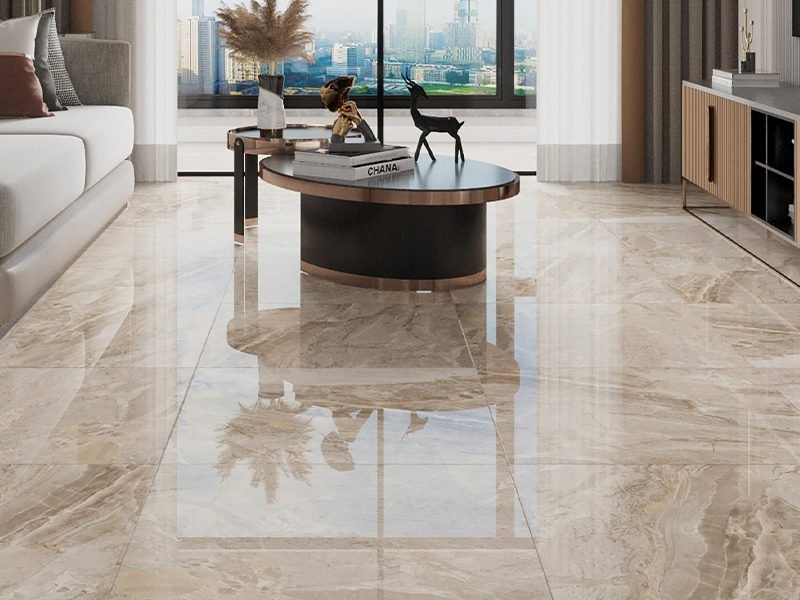
Tiles
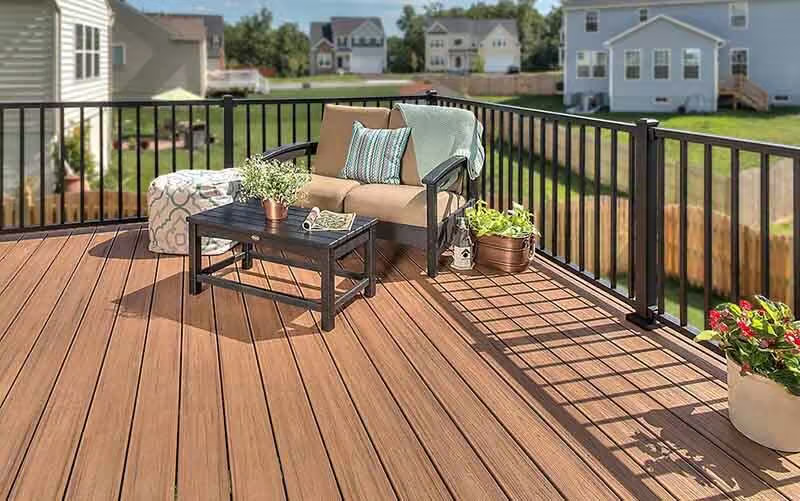
WPC Flooring
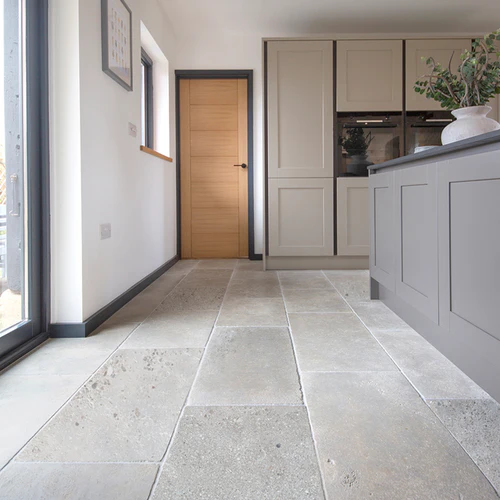
Stone Flooring
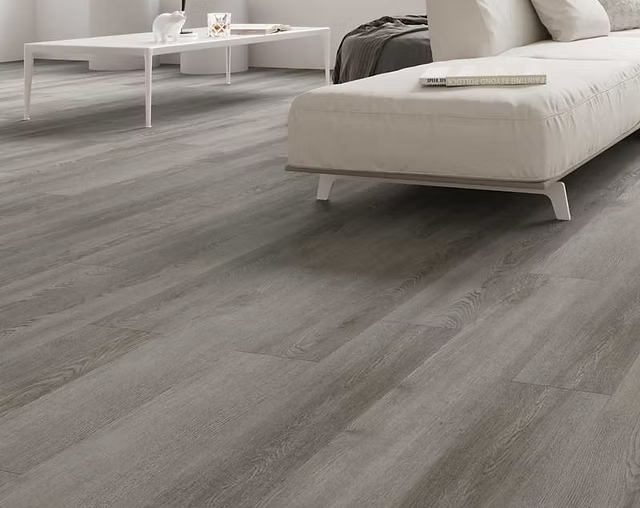
SPC Flooring
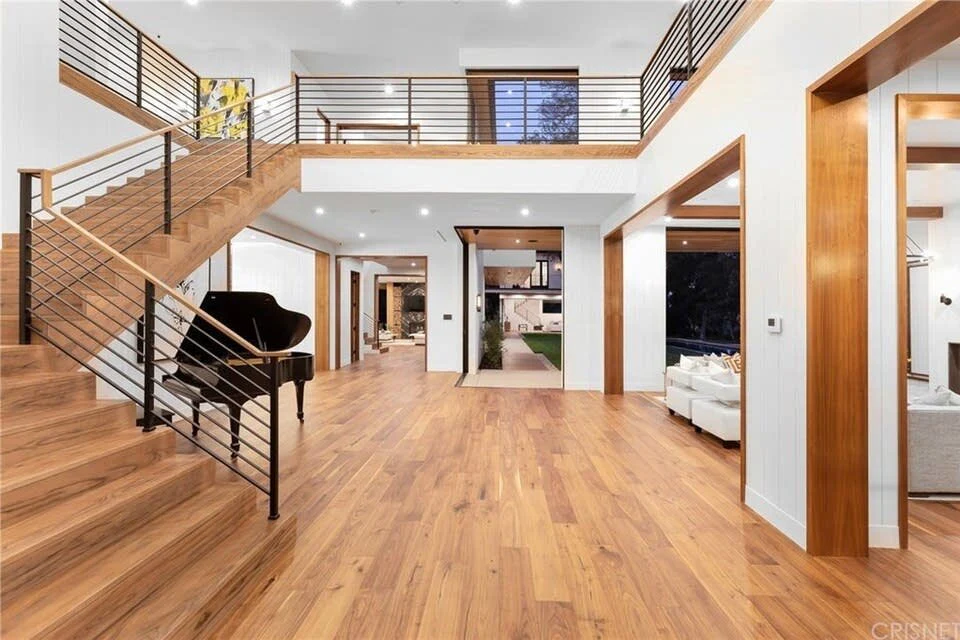
Wood Flooring
High-Quality Floor Materials
At MuskCasa, we provide a curated selection of floor materials designed to elevate aesthetics, enhance durability, and support long-term performance. Whether you’re furnishing a home, upgrading a commercial interior, or designing a large-scale project, our flooring solutions combine craftsmanship, style, and sustainability.
Floor Material Applications
CHINA CUSTOM Floor Materials SOLUTIONS
Home Interiors
Living rooms, bedrooms, kitchens, bathrooms, hallways, and more.
Commercial Spaces
Retail stores, offices, hotels, restaurants, and public areas.
Large-Scale Projects
Real estate developments, hospitality projects, and custom architectural installations.
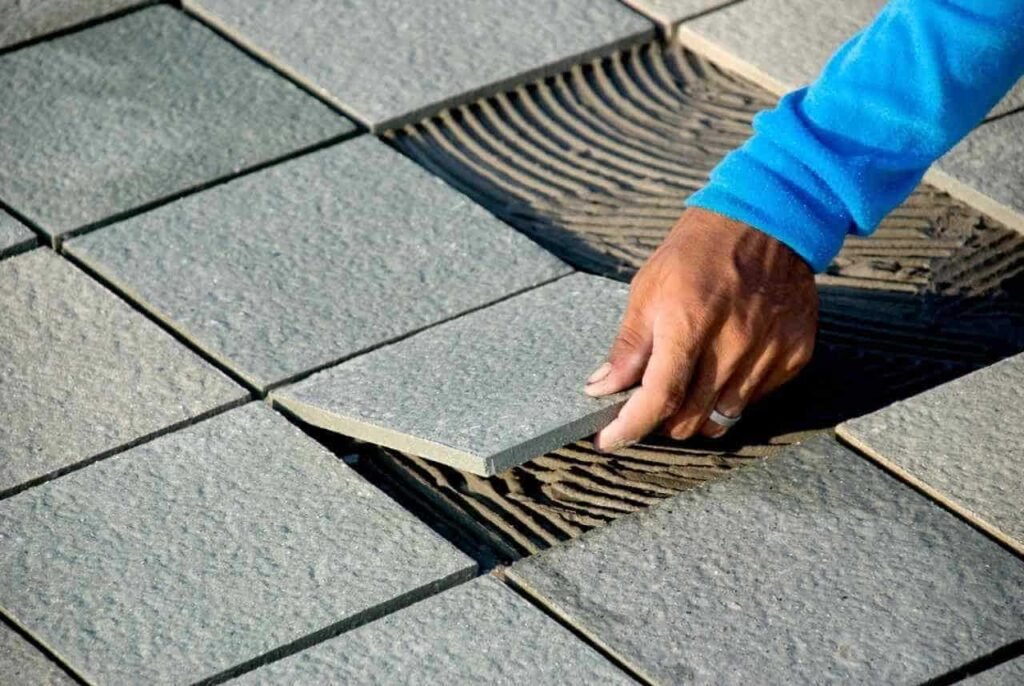
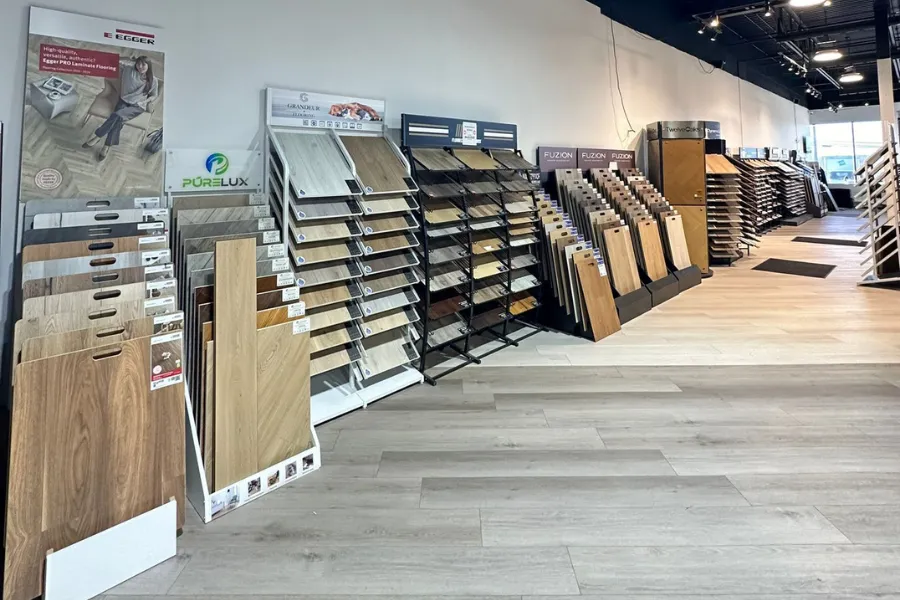
CHINA CUSTOM Floor Materials SOLUTIONS
How to Select the Right Floor Material
Choosing the best flooring depends on durability, budget, maintenance needs, and design preferences.
- Wood floors → Ideal for warmth & premium aesthetics
- Tiles → Best for moisture-prone areas
- Vinyl/composites → Cost-effective & durable
- Stone → Luxury look with long-lasting performance
- Outdoor flooring → Weather-resistant & safe
Why Choose Musk Floor Materials
Premium Quality & Verified Standards
Every flooring product is selected for performance, safety, and long-term durability.
Design Variety for Any Style
From minimalist modern to classic luxury, our material library supports any design theme.
Eco-Friendly Options
Sustainably sourced wood, low-emission materials, and energy-efficient production methods.
One-Stop Surface Solution
Flooring, tiles, stone, and composites—everything you need in one place.
Floor Mateirals FAQs
1. What is the most durable type of flooring?
Durability depends on usage, but ceramic/porcelain tiles and natural stone typically last the longest, resisting scratches, moisture, and heavy traffic. Luxury vinyl tile (LVT/LVP) offers excellent durability with added comfort and water resistance, making it ideal for homes with pets or children. Hardwood is also durable but requires proper maintenance to prevent scratches and moisture damage.
2. What flooring is best for kitchens and bathrooms?
Areas exposed to moisture and spills require water-resistant materials. Porcelain and ceramic tiles are the top choices because they resist water, stains, and heat. Waterproof vinyl (LVT/LVP) is increasingly popular due to its comfort underfoot, easy installation, and modern design options. Avoid hardwood or laminate in high-moisture areas unless properly sealed.
3. What flooring is the easiest to maintain?
Vinyl flooring requires minimal upkeep—regular sweeping and occasional mopping keep it clean. Porcelain tiles are stain resistant and require almost no maintenance. Laminate is also simple to clean but should be kept dry. Compared to hardwood and stone, these options require less sealing, polishing, or refinishing over time.
4. Is vinyl flooring waterproof?
Modern vinyl flooring is designed with waterproof layers, making it suitable for bathrooms, kitchens, basements, and commercial areas. Unlike laminate, vinyl does not swell from moisture exposure. Always check product specifications—“waterproof vinyl” and “SPC/WPC rigid core vinyl” offer the highest water resistance.
5. What is the difference between ceramic and porcelain tile?
Porcelain tiles are fired at higher temperatures, creating a denser, less porous material that’s ideal for high-traffic areas and outdoor use. Ceramic tiles are easier to cut and install, often more budget-friendly, and suitable for indoor walls and light-traffic floors. Both are excellent options depending on usage and budget.
6. Which flooring is best for pets?
Pet owners need scratch-resistant, stain-resistant, and waterproof flooring. Vinyl flooring offers cushioning, warmth, and strong claw resistance. Tiles are extremely durable and easy to clean but colder. Laminate is scratch-resistant but must be protected from spills. Avoid soft wood species (pine, fir), which can scratch easily.
7. Is hardwood flooring suitable for humid climates?
Engineered hardwood has a layered construction that resists expansion and contraction caused by humidity. Solid hardwood can warp or cup if exposed to moisture fluctuations. If selecting hardwood in humid regions, choose engineered wood, maintain stable indoor humidity, and ensure proper subfloor preparation.
8. How long does flooring installation take?
Vinyl and laminate can often be installed within a day, especially floating-floor systems. Tile installation requires more time due to layout planning, cutting, grouting, and curing. Hardwood may take multiple days, especially if sanding and finishing are involved. Project size, subfloor condition, and design complexity also influence installation time.
9. What is the most affordable flooring option?
Vinyl flooring provides excellent value with realistic textures, waterproof properties, and durability. Laminate offers an inexpensive alternative to hardwood with good scratch resistance. Budget ceramic tiles also provide long-lasting value. Costs vary by thickness, wear layer, and brand, so always compare specifications, not just price.
10. How do I choose the right floor material for my space?
Start with identifying how the space is used:
High-moisture areas: tile, waterproof vinyl
High-traffic areas: porcelain, stone, vinyl
Luxury aesthetics: hardwood, stone, premium tiles
Budget-friendly: vinyl, laminate
Think about maintenance and long-term lifespan. MuskCasa specialists can provide personalized recommendations based on your project’s vision and technical requirements.
11. Can flooring be installed over existing floors?
Floating floors like vinyl and laminate often allow installation over existing tile, wood, or concrete as long as the subfloor is level and stable. Tile and hardwood require removal of old flooring in most cases. Always consult installation guidelines to ensure proper adhesion, leveling, and moisture control.
12. What flooring increases home value the most?
Real estate data consistently shows that homes with hardwood floors sell faster and at higher prices. Natural stone also enhances perceived luxury. High-quality vinyl and tile can improve value when installed with modern finishes and cohesive interior design, offering an attractive and durable update.