
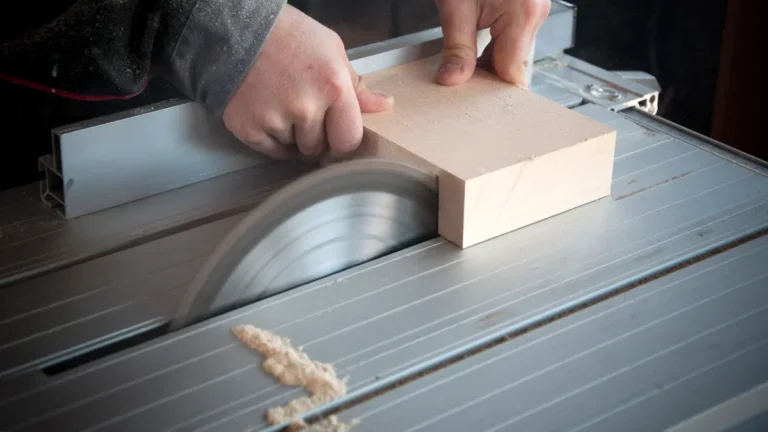
Choosing the right ceramic tile cutter depends on several key factors to consider. Tile type, tile size, and thickness have a big impact on which cutter works best. Cutting precision and durability matter for a smooth installation. Many experts stress that ease of use helps beginners get better results. Safety also plays a role in how to choose a tile cutter. Understanding how to choose a tile cutter gives you the confidence to select the right ceramic tile cutter for any project. With the right information, anyone can master how to choose a tile cutter and achieve clean, accurate cuts with their ceramic tile cutter.
Key Takeaways
- Know your tile size and material before selecting a cutter. This ensures you choose the right tool for clean, accurate cuts.
- Consider the type of cuts you need. Manual cutters work for straight cuts, while wet saws handle complex shapes and thicker tiles.
- Invest in quality tools for frequent projects. Professionals benefit from durable machines that save time and improve results.
- Always prioritize safety. Use protective gear like gloves and goggles to prevent injuries while cutting tiles.
- Start with simple projects if you’re a beginner. Practice with a manual cutter to build confidence before tackling larger jobs.
Assess Your Ceramic Tile Project
Tile Size and Material
Before choosing a tile cutter, you need to know the size, thickness, and material of your ceramic tile. These factors determine which tool will give you the best results. For example, larger tiles require a cutter that can handle bigger sizes and make angled cuts. Thicker tiles often need a wet saw because it uses a diamond-grit blade and water to cut smoothly. Porcelain tile and standard ceramic tile usually work well with a manual tile cutter, which scores and snaps the tile easily. Glass tiles can be cut with either a manual cutter or a wet saw, depending on the finish you want.
Tip: Always check the specifications of your tile before buying a tile cutter.
| Tile Type | Recommended Cutter Type | Notes |
|---|---|---|
| Larger Tiles | Tile cutter for larger sizes | Must accommodate tiles over 14 inches and cutting at 45-degree angles. |
| Porcelain/Ceramic | Manual tile cutter | These tiles score and snap easily, making cleanup simple. |
| Thicker Tiles | Wet saw | Better for cutting thicker tiles due to diamond-grit blade and lubrication. |
| Glass Tiles | Manual tile cutter or wet saw | Manual cutters snap easily, but wet saws reduce sharp shards. |
Type of Cuts Needed
Different ceramic tile projects require different types of cuts. Straight cuts are the most common, but you may also need to make curves, notches, or holes. Knowing the types of cuts you need helps you pick the right tile cutter for the job. Manual tile cutters work best for straight cuts on small to medium tiles. Angle grinders are useful for odd shapes and curves. Wet saws handle straight cuts on large tiles and can make L-shaped cuts and notches. Tile nippers are good for trimming small bits or making irregular shapes.
| Tool | Types of Tile | Types of Cuts |
|---|---|---|
| Manual Tile Cutter | ceramic, porcelain | straight cuts on small to medium tiles and mosaic tiles |
| Angle Grinder | ceramic, porcelain, marble, stone, glass | cutting odd shapes and curves around doorways, vents, toilets; plunge cuts |
| Hole Saw | ceramic, porcelain, marble, stone, glass | cutting small to medium circles in tile (to fit around shower heads and water lines) |
| Tile Nippers | ceramic, porcelain, marble | trimming small bits of tile, cutting notches, arcs, and irregular shapes |
| Glass Cutter | ceramic, glass | small, straight cuts |
| Wet Saw | ceramic, porcelain, marble, stone, glass | straight cuts on medium to large tiles, L shaped cuts and notches, extra thick tiles and thresholds, and large tiling projects |
Project Frequency and Scale
The size and frequency of your ceramic tile project also affect your choice. Large-scale or frequent projects need a heavy-duty tile cutter for durability and efficiency. Occasional or small projects can use budget-friendly options. Professionals often choose machines that work well for cutting through a variety of tile materials, including thick porcelain and natural stone. These machines save time and last longer. DIY users can select less expensive tools for standard ceramic tile jobs.
- Professionals should invest in high-quality tile cutting machines.
- These machines offer better durability and efficiency.
- Reduced downtime leads to cost savings in the long run.
Note: Matching your tile cutter to your project needs ensures clean cuts and a smoother installation.
Tile Cutter Types Explained
Choosing the right tile cutter depends on understanding the different types of tile cutters available. Each tool has unique strengths for how you cut ceramic tiles. The table below compares the main features of manual tile cutters and wet saw tile cutters:
| Feature | Manual Tile Cutter | Wet Saw Tile Cutter |
|---|---|---|
| Cutting Mechanism | Snap-and-score mechanism | Motorized diamond saw |
| Materials It Can Handle | Best for ceramic and thin porcelain tiles | Suitable for all tile materials, including marble and glass |
| Types of Cuts Possible | Straight and diagonal cuts | Straight, diagonal, L/U-shaped, bevel, curved, and detailed cuts |
| Precision and Edge Quality | Quick cuts but may cause uneven edges | Provides accurate finishing with smooth edges |
Manual Ceramic Tile Cutter
A manual tile cutter is a popular choice for DIY users and professionals. It uses a scoring wheel to mark the tile, then applies pressure to snap it. Manual tile cutters work best for straight cuts on ceramic and porcelain tiles. They are portable and do not require electric power. Setup is quick, usually under a minute. This tool is ideal for small to medium projects where you need to cut ceramic tiles in straight lines. However, it may leave rough edges that need smoothing.
Tip: Manual tile cutters are easy to use and perfect for simple, straight cuts.
Wet Saw Tile Cutter
A wet saw tile cutter uses a motorized diamond blade and water to cut ceramic tiles. The water cools the blade and reduces dust. Wet saws are the best electric tile cutter for large tiles, thick porcelain, stone, and glass. They provide factory-grade, polished edges and can handle complex shapes like L-cuts and curves. Wet tile saws require more setup time and protection for the work area. These electric tools are essential for professional results and large projects.
- Wet saws deliver precise, smooth edges.
- Wet tile saws are recommended for cutting tile with minimal chipping.
Tile Nippers and Hand Tools
Tile nippers are hand tools designed for trimming small pieces or making irregular shapes. They are budget-friendly and work well for backsplashes or decorative elements. Tile nippers are best for small to medium ceramic tile projects, especially in tight spaces. They are not suitable for long, straight cuts but are perfect for detail work.
| Best Use Case | Description |
|---|---|
| Small to medium ceramic tile projects | Ideal for DIY jobs, especially in tight spaces. |
| Backsplashes | Perfect for adding decorative elements in kitchens. |
| Budget-friendly DIY jobs | Cost-effective solution for home improvement. |
Angle Grinder for Ceramic Tile
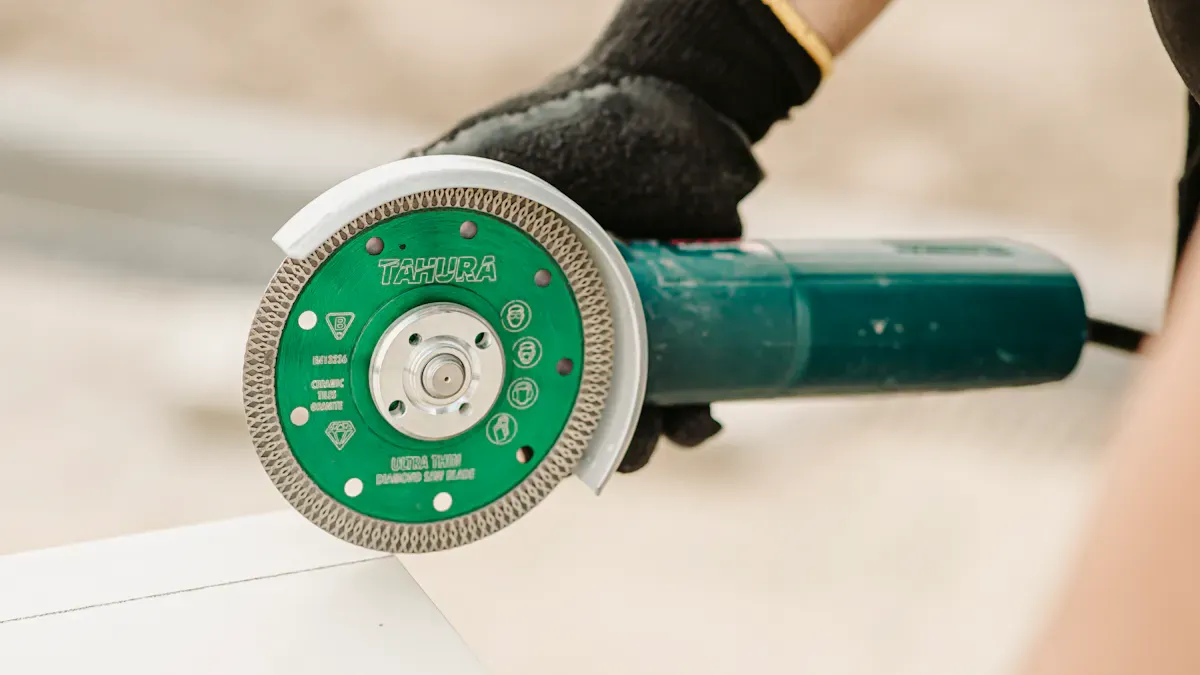
An angle grinder is a versatile electric tool that can cut ceramic tiles, stone, and other materials. It is suitable for intricate cuts, curves, and notches. Angle grinders offer cordless options for portability. They require skill to achieve clean cuts and may not match the precision of a wet saw. However, they are useful for projects needing flexibility and detailed shapes.
| Feature | Angle Grinder | Specialized Tile Cutter (Wet Saw) |
|---|---|---|
| Versatility | High, can handle intricate cuts | Limited to tile cutting |
| Precision | Moderate, requires skill | High, designed for precision cuts |
| Speed | Slower for complex cuts | Faster, especially for harder materials |
| Control | Variable speed options available | Fixed speed, optimized for tile |
| Portability | Cordless options available | Generally stationary |
Note: For straight cuts, a manual tile cutter is best. For large tiles and precision, choose a wet saw. For complex shapes, an angle grinder or tile nippers are recommended.
Best Tile Cutter Features
Cutting Capacity and Length
Cutting capacity is one of the most important features in a tile cutter. The best tile cutter should handle the size and thickness of your tiles. Many manual tile cutters can cut tiles from 12 to 24 inches, which is ideal for most home projects. Large tiles require cutters with extended cutting lengths and strong breaking power. Some advanced models, like the T3-Prem. Raptor, can cut tiles up to 1800 mm in length and 14 cm in thickness. Always check that the cutting length of your tile cutter exceeds the diagonal of your largest tile. This ensures you can cut tiles efficiently without needing extra tools.
Tip: Matching the cutter’s capacity with tile size and thickness is crucial for effective cutting.
Frame and Build Quality
Frame and build quality affect durability and precision. High-quality tile cutter frames use reinforced steel or aluminum. These materials help the cutter withstand frequent use and heavy-duty projects. A strong frame ensures the tile cutter lasts longer and maintains accuracy. Portability and versatility are also important, especially for home improvement and commercial jobs. A durable frame supports both wet and dry cutting tasks.
Angle and Laser Guides
Angle and laser guides improve accuracy in ceramic tile cutting. Adjustable angle guides help create straight and diagonal cuts. Laser guides provide a visual line, making it easier to follow your intended path. Product testing shows that features like sliding beds, miter gauges, and adjustable bevels enhance precision and fit. The table below highlights how these guides help:
| Type of Guide | Benefit |
|---|---|
| Adjustable fence | Guides tile for straight cuts |
| Sliding bed | Holds tile steady for precision |
| Miter gauge | Secures tile for diagonal cuts |
| Adjustable bevels | Allows precise inside and outside corner cuts |
Ergonomic Handle and Scoring Wheel
Ergonomic handles reduce hand fatigue during tile cutting. Soft-grip handles and optimal weight distribution make it easier to work for longer periods. This design helps both quick tasks and extended projects. High-quality scoring wheels, such as tungsten carbide, increase durability and precision. These wheels score tiles cleanly, reducing chipping and improving the finish. Wet saws often include ergonomic features and advanced scoring mechanisms for professional results.
Note: User-friendly designs are in high demand for both DIY and commercial tile cutting.
Wet saw tile cutters offer enhanced cutting capabilities, durability and precision, and advanced guides like laser guide. These features are essential for large projects and professional installations. Choosing a tile cutter with the right features ensures clean, accurate cuts and a smoother workflow.
Match Tile Cutter to Your Project
Small vs. Large Projects
Choosing the right tile cutter depends on the size of your project. Small and medium projects, such as bathroom walls or kitchen backsplashes, often use manual cutters. These tools work well for scoring and snapping ceramic tiles. They are easy to handle and do not require electricity. For large projects, like flooring an entire room or installing large format tiles, a wet saw is usually the better choice. Wet saws can handle tough materials and provide clean, chip-free cuts. They also save time when you need to cut many tiles.
| Tile Cutter Type | Suitable For | Key Features |
|---|---|---|
| Manual Cutters | Small to Medium Projects | Effective for ceramic tiles, score and snap |
| Wet Saws | Large Projects | Water-cooled diamond blade, clean cuts, handles thick tiles |
Tip: Manual cutters are ideal for most home projects, but wet saws are recommended for bigger jobs or when working with thick or hard tiles.
Straight vs. Complex Cuts
The type of cuts you need will also influence your choice of tile cutter. Straight cuts are the most common in tiling projects. A robust guide system helps you make these cuts accurately. Manual cutters are designed for straight and diagonal cuts. They often include a guide rail to keep the tile steady. For complex cuts, such as L-shaped, U-shaped, or angled cuts, you may need a cutter with adjustable guides or even a wet saw. Some manual cutters have features for diagonal or angular cuts, but intricate shapes often require advanced tools.
- Straight cuts: Use a tile cutter with a strong guide for precision.
- Diagonal and angular cuts: Look for a cutter with an adjustable angle guide.
- L-shaped and U-shaped cuts: Consider a wet saw or a manual cutter with specialized breaking mechanisms.
A combination of tools can help you achieve the best results. For example, use a manual cutter for most straight cuts and a wet saw for detailed or complex shapes.
Budget and Professional Needs
Budget is a key factor when selecting a tile cutter. Manual cutters are more affordable and work well for most ceramic tile projects. Their price usually ranges from $50 to $300. Reliable manual models cost between $80 and $140, while heavy-duty versions can reach $400. Electric tile cutters, such as wet saws, are more expensive. Their prices start around $700 and can go up to $2,000 or more. The best professional tile cutter often falls into this higher price range.
| Type of Cutter | Price Range |
|---|---|
| Manual | $50 – $300 |
| Reliable Manual | $80 – $140 |
| Heavy-Duty Manual | $150 – $400 |
| Electric Saws | $700 – $2,000+ |
When should you invest in the best professional tile cutter? If you work on frequent or large jobs, or if you need to cut thick materials like porcelain or stone, a professional-grade electric cutter is a smart investment. These machines offer greater precision and save time on big projects. For standard ceramic tiles and simple cuts, a manual cutter is usually enough. Many professionals use both types to improve efficiency and meet tight deadlines.
Note: The best professional tile cutter is essential for contractors or anyone who installs tile regularly. For occasional home projects, a manual tile cutter is often the most practical choice.
Tile Cutter Safety Tips
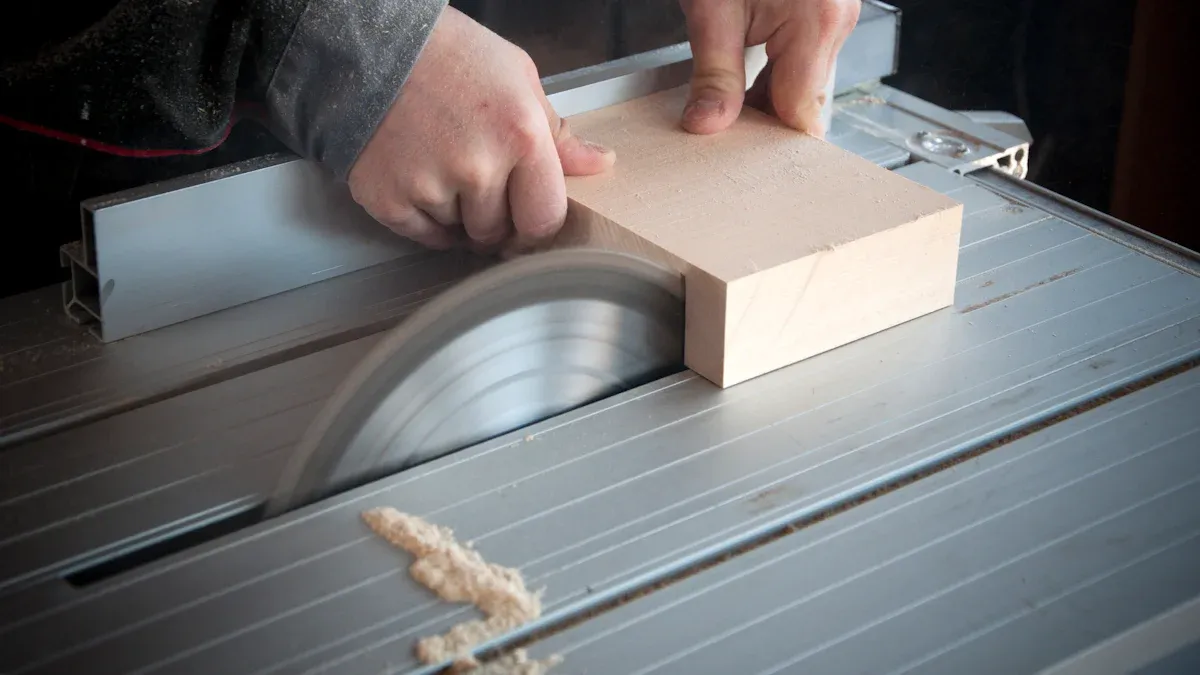
Essential Safety Gear
Safety should always come first when working with ceramic tile cutters. Using the right personal protective equipment (PPE) helps prevent injuries and health risks. Before starting any tile cutting project, make sure you have the following safety gear:
- Respiratory Protection: Wear a respirator with at least an N95 rating. This protects your lungs from harmful dust, especially crystalline silica, which can be released when cutting tiles.
- Eye Protection: Use safety glasses that meet ANSI Z87.1 standards or a full-face shield. These protect your eyes from flying debris and sharp tile fragments.
- Hearing Protection: Tile cutting tools, especially angle grinders and wet saws, can be very loud. Use foam earplugs or earmuff-style protectors to reduce the risk of hearing loss.
- Hand Protection: Anti-vibration gloves help reduce hand fatigue and protect against scrapes or minor cuts.
- Safety Shoes: Wear sturdy shoes to protect your feet from falling tiles or tools.
- Ventilation: Work in a well-ventilated area or use dust extraction systems to minimize airborne dust.
- Clean Workspace: Regularly clean your work area with wet methods or a HEPA-filter vacuum to keep dust levels low.
Tip: Skipping safety gear is one of the most preventable causes of injury during tile cutting. Always check your equipment before you begin.
Common Mistakes to Avoid
Many accidents happen because of avoidable errors. Knowing the common mistakes when using tile cutters can help you stay safe and achieve better results.
- Not wearing the correct PPE, such as gloves or safety glasses.
- Using a dull or damaged cutting wheel, which can cause tiles to break unevenly.
- Rushing the cutting process, leading to poor cuts or injuries.
- Failing to secure the tile properly before cutting.
- Ignoring the need for proper ventilation, which increases dust exposure.
- Neglecting to clean the workspace, which can cause slips or tool malfunctions.
Note: Take your time and follow all safety steps. Careful preparation and attention to detail make tile cutting safer and more effective.
DIY or Hire a Pro?
When to DIY Tile Cutting
Many homeowners choose to cut ceramic tiles themselves. DIY tile cutting works well for straightforward projects. If you need to make basic cuts, you can often handle the job with a manual tile cutter or a wet saw. These tools are easy to use for most straight and diagonal cuts. Some projects also require curved or circular cuts, such as when fitting tiles around pipes. An angle grinder can help with these shapes. Notches and L-shaped cuts are common near cabinets or edges and are best done with a wet saw.
Common scenarios where DIY tile cutting is recommended include:
- Straight cuts for general tile layouts
- Diagonal or angled cuts for decorative patterns or corners
- Curved or circular cuts for pipes and fixtures
- Notches and L-shaped cuts for fitting around cabinets and edges
Before starting, consider a few important factors:
- Time Commitment: DIY projects often take longer. Professionals can finish faster.
- Skill Level Required: Mistakes can lead to wasted tiles and extra costs. Be honest about your skills and willingness to learn.
- Tools and Resources Needed: Make sure you have the right tools. Buying or renting equipment can add to the project’s complexity.
Tip: Start with a small area if you are new to tile cutting. Practice helps build confidence and skill.
When to Hire a Professional
Some tile projects require advanced skills and experience. Complex patterns, large spaces, or decorative elements often need a professional touch. Professionals bring special tools and knowledge to the job. They can handle difficult spaces and ensure a high-quality finish.
A qualified tile installer should have:
| Certification | Description |
|---|---|
| Certified Tile Installer (CTI) | Validates a contractor’s skills and knowledge in tile installation. |
- At least two years of experience as a lead installer working full-time with ceramic tile
- Experience as a helper or finisher does not qualify
Advanced tiling projects demand mastery of intricate techniques. Professionals understand how to manage complex patterns and challenging spaces. They can also incorporate decorative elements for a polished look. Hiring a pro saves time and reduces the risk of costly mistakes.
Note: For large, detailed, or high-value projects, hiring a professional ensures the best results.
To choose the right tile cutter, follow these key steps:
- Select a cutter designed for the cuts you need, such as diagonal or miter.
- Look for models with a laser guide for better accuracy.
- Pick an ergonomic handle for comfort and control.
- Invest in a durable scoring wheel.
- Gather helpful accessories and safety gear.
- Knowing your tile size and project needs helps you match the cutter to the job.
- Durable, precise tools make cutting easier and reduce mistakes.
Use this guide as your checklist. With the right approach, you can achieve clean, professional tile results every time.
FAQ
What is the best tile cutter for beginners?
Manual tile cutters work well for most beginners. They are easy to use and do not need electricity. These cutters handle straight cuts on ceramic and porcelain tiles.
Can I cut glass tiles with a manual tile cutter?
Yes, you can cut glass tiles with a manual tile cutter. For smoother edges, use a wet saw. Always wear safety glasses to protect your eyes from sharp shards.
How do I keep tiles from chipping while cutting?
Use a sharp scoring wheel and apply steady pressure. Cut slowly and support the tile on both sides. Wet saws help reduce chipping, especially on delicate or glass tiles.
Do I need a wet saw for home projects?
Most home projects only need a manual tile cutter. Use a wet saw for thick tiles, large tiles, or when you need smooth, polished edges.
How often should I replace the scoring wheel?
| Usage Level | Replacement Frequency |
|---|---|
| Occasional DIY | Every 6-12 months |
| Frequent/Pro | Every 2-3 months |
A dull wheel causes rough cuts. Replace it when you notice uneven scoring or extra effort is needed.