
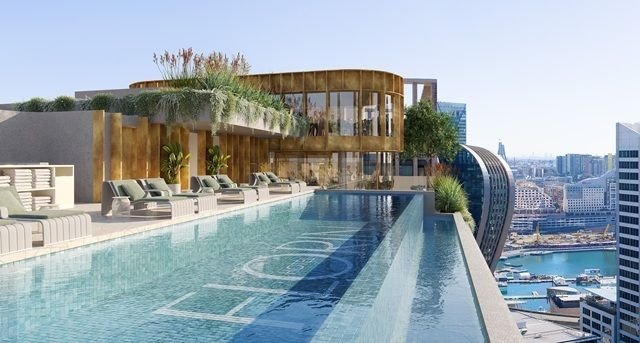
The cost to build a hotel depends on the type and location. In 2024, building an economy hotel in the U.S. or Canada often ranges from $100,000 to $150,000 per room. Midscale hotels may cost between $180,000 and $250,000 per room, while luxury properties can exceed $500,000 per room. Understanding hotel construction costs is essential for planning and investment. It helps with budgeting, financial forecasting, and making smart decisions about the hotel’s size, design, and long-term profitability.
Key Takeaways
- Hotel construction costs vary widely based on type and location. Economy hotels cost around $100,000 to $150,000 per room, while luxury hotels can exceed $500,000 per room.
- Understanding the average cost per room helps developers budget effectively. For example, a 4-star hotel averages $318,200 per room, while a 5-star hotel averages $604,200.
- Location significantly impacts costs. Urban areas typically have higher construction expenses than rural regions, making careful site selection crucial.
- Key factors like design complexity, material choices, and labor availability affect overall costs. Developers should plan for these elements to avoid budget overruns.
- Investing in technology can enhance guest satisfaction and operational efficiency. Smart systems and apps improve experiences while potentially lowering long-term costs.
1 Hotel Construction Cost Overview
1.1 What Is the Average Cost to Build a Hotel?
The cost to build a hotel depends on several factors, including the type of hotel, its location, and the quality of materials. In North America, the average hotel construction cost varies widely between economy motels and luxury five-star properties.
Here are the typical cost ranges for different hotel types:
- Motel: $75,000 per room on average, with construction costs around $160 per square foot.
- 3-Star Hotel: $221,000 per room, with an average of $282.50 per square foot.
- 4-Star Hotel: $318,200 per room, with costs between $260 and $410 per square foot.
- 5-Star Hotel: $604,200 per room, with costs ranging from $332 to $550 per square foot.
The following table shows how hotel construction costs compare across different hotel types and locations:
| Hotel Type | Cost per Sq.Ft. Rural Area | Cost per Sq.Ft. Urban Area | Average Cost per Room |
|---|---|---|---|
| Motel | $134 – $170 | $180 – $234 | $75,000 |
| 3-Star | $190 – $245 | $250 – $375 | $221,000 |
| 4-Star | $260 – $345 | $350 – $410 | $318,200 |
| 5-Star | $332 – $400 | $400 – $550 | $604,200 |
In the United States, the cost to build a hotel is usually higher in urban areas than in rural regions. For example, a 4-star hotel in a city can cost up to $410 per square foot, while the same hotel in a rural area may cost as little as $260 per square foot. Five-star hotels in major cities often reach $550 per square foot.
In Canada, the average cost to develop a midscale hotel ranges from $145,000 to $197,000 per room. This figure includes land, construction, furnishings, and soft costs. Costs are highest in cities like Vancouver and Toronto, where land and labor are more expensive.
Tip: The largest expenses in hotel construction are usually the building structure and interior finishes. These can account for more than half of the total project budget.
1.2 Global Hotel Construction Cost Trends
Hotel construction costs have changed significantly over the past five years. Several factors have contributed to these changes:
- Insurance costs have more than doubled.
- Utilities have increased by nearly 30%.
- Property maintenance costs have risen by about 25%.
These increases affect both new hotel projects and existing properties. In the U.S., the cost to build a luxury hotel can reach $1 million to $2 million per room, which is higher than the global average. The average daily rate for luxury hotels in the U.S. is $394, which is below $1,000 globally. Since the COVID-19 pandemic, hotel construction costs in the U.S. have increased by up to 45%.
| Category | Cost per Key (U.S.) | Global Average Cost per Key |
|---|---|---|
| Luxury Hotels | $1 million – $2 million | Higher than global average |
| Average Daily Rate | $394 | Below $1,000 |
| Cost Increase | Up to 45% since COVID | N/A |
Note: Hotel construction costs are expected to keep rising due to inflation, labor shortages, and higher material prices. Careful planning and budgeting are more important than ever for hotel developers.
2 Average Hotel Construction Cost per Room
Understanding the average hotel construction cost per room helps investors and developers plan their budgets more accurately. Each hotel type has unique features and expenses. The largest costs often come from the building structure and interior finishes, but other categories like furniture, fixtures, and equipment (FF&E) also play a major role.
2.1 Budget Hotel Cost per Room
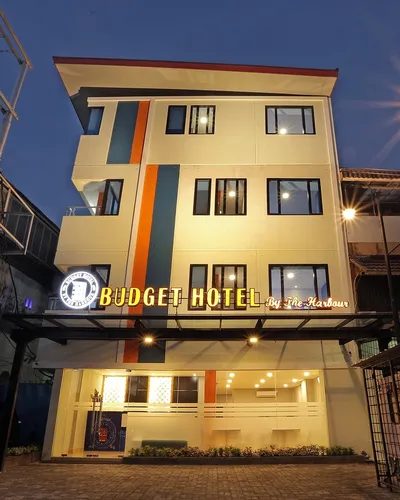
Budget hotels, such as motels and 2-star properties, focus on essential services and simple amenities. These hotels offer basic comfort at a lower price point. The cost to build a hotel in this category is usually the lowest among all types.
- The average cost per room to build a motel is around $75,000.
- For 2-star hotels, FF&E budgets typically range from $4,500 to $7,000 per room.
Most of the budget goes toward the building shell and basic interior finishes. FF&E costs remain modest, as these hotels do not require luxury furnishings or advanced technology. Developers often choose standard designs and materials to keep costs down.
2.2 Mid-Scale Hotel Cost per Room
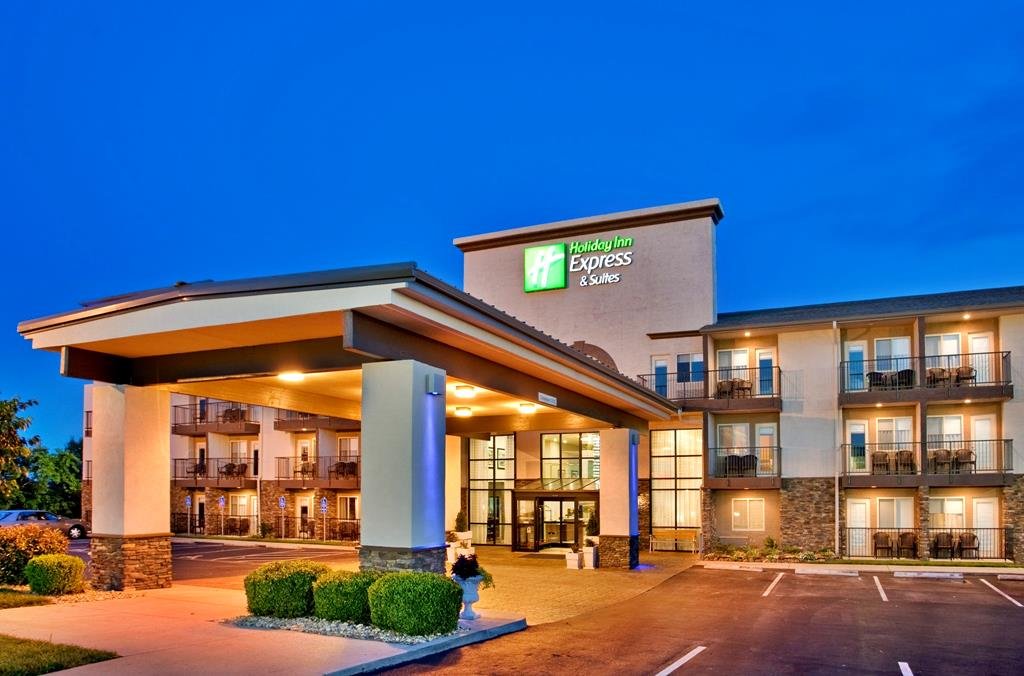
Mid-scale hotels, including 3-star and 4-star properties, offer more amenities and higher-quality finishes than budget hotels. These hotels may include features like fitness centers, meeting rooms, and on-site dining.
| Hotel Type | Average Cost per Room to Build |
|---|---|
| 3-Star | $221,000 |
| 4-Star | $318,200 |
In Canada, the average cost to develop a mid-scale hotel ranges from $145,000 to $197,000 per room. The cost varies by province and market conditions. FF&E expenses increase in this category, as guests expect more comfort and style. Interior finishes and public spaces also require a larger share of the budget.
Note: For mid-scale hotels, the largest expenses are usually the building structure and interior design. FF&E costs can account for a significant portion of the total investment.
2.3 Luxury Hotel Cost per Room
Luxury hotels, such as 5-star properties, set the standard for comfort, service, and design. These hotels feature high-end finishes, advanced technology, and a wide range of amenities.
| Hotel Type | Average Cost per Room to Build |
|---|---|
| Motel | $75,000 |
| 3-Star | $221,000 |
| 4-Star | $318,200 |
| 5-Star | $604,200 |
FF&E costs for luxury hotels may exceed $35,000 per room. These hotels invest heavily in custom furnishings, premium materials, and state-of-the-art systems. The hotel construction cost for luxury properties is much higher than for other types, reflecting the need for exceptional guest experiences.
Tip: In luxury hotel construction, interior finishes and FF&E are often the largest expenses, sometimes making up more than half of the total project cost.
2.4 Boutique Hotel Development Costs
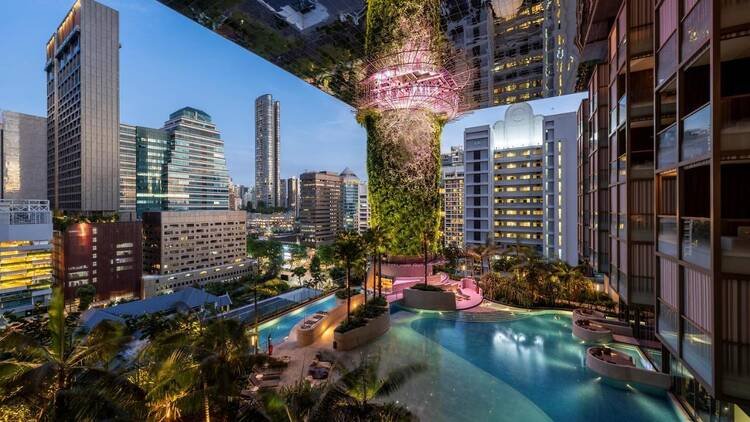
Boutique hotels focus on unique design, personalized service, and a distinct guest experience. These hotels are often smaller than chain properties but may have higher per-room costs due to custom features and specialized amenities.
- Boutique hotel construction costs can vary widely, depending on location, design, and the level of customization.
- Developers may spend more on FF&E and interior finishes to create a memorable atmosphere.
- The cost per room often falls between mid-scale and luxury hotels, but unique design choices can push costs higher.
Boutique hotels require careful planning to balance creativity with budget. The largest expenses usually come from custom interiors and specialized amenities.
Note: Whether building a budget, mid-scale, luxury, or boutique hotel, understanding the main cost categories—structure, interior finishes, and FF&E—helps developers make informed decisions and control expenses.
3 Key Factors That Affect Hotel Construction Costs
3.1 Location and Region
Location plays a major role in the cost to build a hotel. In the United States, the Southern region has more than half of the hotel rooms in development, especially outside large cities. Many of these projects are still in early planning. In Canada, the hotel market shows mixed results. Ontario and Quebec have not performed as well as other provinces. Areas that depend on U.S. trade face challenges, while regions with strong domestic tourism see better outcomes. Construction costs can range from $130 to $550 per square foot, depending on the region and market conditions.
- The Southern U.S. leads in hotel development outside major cities.
- Canadian markets like Ontario and Quebec underperform, while tourism-focused areas do better.
- Trade disputes can impact border markets, especially in Southern Ontario.
3.2 Hotel Class and Amenities
The class of a hotel and its amenities have a direct impact on development cost. Higher star ratings require larger rooms and more features, which increases both construction and operational expenses. Each additional star raises the overall development cost. Amenities such as pools, spas, and advanced technology add to the budget. Owners must balance installation and maintenance costs with the potential for higher room rates and guest satisfaction. It is important to consider what guests want and what they are willing to pay for, as this affects the financial success of the hotel.
3.3 Design and Sustainability
Design choices and sustainability efforts can change hotel construction cost. Complex designs need specialized labor and materials, which increases the development cost. The choice of materials also matters. High-end materials raise expenses, while basic options help control the budget. Prefabrication and modular construction can lower labor costs and speed up the project. Sustainable practices, such as energy-efficient systems, may cost more at first but can save money over time.
| Factor | Impact on Costs |
|---|---|
| Design Complexity | Complex designs increase costs due to specialized labor. |
| Material Choices | High-end materials raise expenses; basic materials reduce cost. |
| Prefabrication | Modular construction lowers labor costs and saves time. |
| Furnishing Costs | Quality affects overall budget. |
| Environmental Compliance | Sustainable practices can lead to long-term savings. |
| Utility Management | Efficient systems reduce operational costs. |
3.4 Market and Labor
Market trends and labor availability affect development cost. Labor costs in the hospitality sector have risen, with a 4.8% increase in salaries and benefits in 2024. The average hourly pay for hotel workers also grew by 4.0%. At the same time, the number of hours worked at hotels has dropped by 7.4% since 2019, but compensation costs have gone up by 22.1%. These changes make it important for developers to plan for higher labor expenses when estimating the total hotel construction cost.
Tip: Understanding these key factors helps investors and developers create accurate budgets and avoid surprises during the hotel construction process.
4 Example: Cost to Build a 100-Room Hotel
4.1 Estimated Total Investment
Developers often use a 100-room hotel as a benchmark for planning. The total investment depends on several factors, such as land price, building materials, and interior finishes. On average, the total project cost for a 100-room property falls between $15 million and $22 million. This range covers land acquisition, construction, interior design, and equipment.
Early planning and team involvement help keep expenses in check. Locking in material prices and setting aside contingencies can prevent budget overruns. Making smart design choices adds value without increasing the overall cost. Reducing change orders during construction also helps control spending.
Tip: Efficient management of staffing and labor costs is crucial. Structured onboarding and cross-training employees can lower turnover and reduce the need for specialized hires.
4.2 Cost Breakdown by Category (Land, Construction, Interior, Equipment)
The following table shows a typical cost breakdown for a 100-room hotel:
| Category | Percentage of Total Cost |
|---|---|
| Land costs | 15% |
| Soft costs | 12% |
| Hard costs | 70% |
| Furniture, Fixtures, and Equipment (FF&E) | 9% |
To optimize your budget, consider these strategies:
- Plan early and involve your team.
- Lock in materials and contingencies.
- Make design choices that add value.
- Reduce costly change orders.
For better cost management, follow these steps:
- Monitor expenses to prevent overspending.
- Use historical data to track trends and plan budgets.
- Adjust for inflation and account for repairs and maintenance.
- Use technology to improve operations and reduce labor expenses.
Focusing on utility costs and adopting energy-efficient strategies can benefit both finances and guest satisfaction.
5 Technology Investment for Modern Hotels
5.1 IPTV Systems, Guest Apps, and High-Speed Wi-Fi
Modern hotels invest in technology to improve guest satisfaction and streamline operations. IPTV systems allow guests to access high-quality streaming and interactive TV services. Guest apps provide information and concierge services, making it easier for guests to manage their stay. High-speed Wi-Fi is essential for streaming, video calls, and remote work. Smart room technology includes keyless entry, voice-activated controls, and smart thermostats.
| Technology Type | Description |
|---|---|
| IPTV Systems | Solutions that enable hotels to offer high-quality streaming, personalized content, and interactive TV services. |
| Guest Apps | Apps that provide information and concierge services, enhancing the guest experience. |
| High-Speed Wi-Fi | Essential for guest satisfaction, allowing for streaming, video calls, and remote work. |
| Smart Room Technology | Includes keyless entry, voice-activated controls, and smart thermostats for improved comfort. |
Recent hotel projects show that technology investments can vary in cost. Staff communication systems and analytics tools often range from $25,000 to $50,000. Cybersecurity infrastructure may cost between $40,000 and $80,000. Physical security integration and backup systems usually require $15,000 to $50,000. Security, compliance, and infrastructure protection can reach $80,000 to $150,000 for typical properties.
5.2 Digital Signage and Smart In-Room Technology
Digital signage helps hotels share information quickly and efficiently. Smart in-room technology improves comfort and convenience for guests. Many hotels use digital keys, mobile apps, and smart energy management systems. These tools help reduce operational costs and support sustainability goals.
Some leading hotel brands have adopted advanced technology:
- Ritz-Carlton uses CRM systems to create personalized guest experiences.
- Hilton introduced digital keys for room access via smartphones.
- Marriott developed a mobile app for managing room service and guest requests.
Sustainability is now a key part of hotel strategies. Smart energy and water management systems help reduce environmental impact and improve brand perception.
Key takeaways from recent hotel technology investments:
- Innovations drive hospitality growth and must focus on guest needs.
- Sustainable development includes environmental, economic, and social responsibility.
- Adaptability and readiness for technological change are critical for future success.
6 Hotel Financing and Return on Investment
6.1 Construction Loans and Financing Options
Financing is a key part of hotel development. Developers have several options to fund their projects. Each option has its own benefits and requirements. The table below outlines common financing choices for hotel construction:
| Financing Option | Description |
|---|---|
| Traditional Commercial Banks | Common source of financing, often requiring strong credit history and substantial paperwork. |
| Real Estate Investment Trusts (REITs) | Attractive for large-scale projects, offering flexibility but may have higher interest rates. |
| Private Equity Firms | Invest in higher-risk projects, providing large capital amounts but often requiring higher returns. |
| Specialized Hotel Financing Lenders | Focus on hotel projects, offering flexible terms and understanding of unique risks. |
| Bridge Loans | Short-term loans to cover gaps between property purchase and permanent financing, typically riskier. |
| Mezzanine Debt Financing | Hybrid of debt and equity financing, allowing lenders to convert to ownership if senior debt is unpaid. |
| SBA Loans | Loans backed by the Small Business Administration, appealing for fixed rates and larger amounts. |
Some developers choose non-recourse hotel construction loans. These loans limit the borrower’s risk to the property itself. If a default occurs, only the hotel is at risk, not the developer’s personal assets. This approach can help protect personal finances and allow for more investment opportunities.
6.2 Revenue Projections and Break-Even Analysis
Understanding revenue projections and break-even analysis is essential for hotel investors. Revenue projections estimate when a hotel will start making money. Break-even analysis shows the point where total revenue matches total expenses. This information helps investors decide if a project is financially sound.
- Revenue projections help investors see when profits may begin.
- Break-even analysis identifies the occupancy rate needed to cover all expenses.
- A lower break-even occupancy rate means the hotel can become profitable faster and with less risk.
Careful planning of financing and a clear view of the break-even point help developers manage the overall cost and improve the chances of a successful hotel investment.
7 Conclusion: Planning a Profitable Hotel Development
Building a hotel requires careful planning and a clear understanding of construction costs. Developers must consider many factors, such as location, hotel class, and market trends. A well-planned hotel project can lead to strong returns and long-term success.
To maximize profitability, follow these best practices:
- Track historical data to understand seasonality and market trends.
- Compare year-to-date hotel revenue to set realistic goals.
- Assess profit changes from year to year.
- Monitor labor productivity and staff performance.
- Develop a staff guide for consistent operations.
- Invest in technology to lower labor expenses.
- Plan for repairs, renovations, and ongoing maintenance.
- Analyze group bookings and future demand.
- Adjust budgets for inflation and rising costs.
- Use competitive data from industry sources like STR.
- Create a demand calendar to forecast busy periods.
- Include incentives to attract guests and staff.
- Use budgeting tools for accurate cost tracking.
Tip: Early planning and regular cost reviews help prevent budget overruns and support better decision-making.
Developers should use these strategies when building, buying, or developing hotels. Each step, from land acquisition to interior design, affects the total investment and future revenue. Smart budgeting and technology adoption can reduce hotel construction costs and improve guest satisfaction.
A profitable hotel project starts with solid research and a focus on long-term value. By following industry best practices, investors can manage risks and achieve their financial goals. For those interested in hotel development, staying informed and using the right tools will make the process smoother and more successful.
Understanding hotel construction costs is vital for anyone building, buying, or developing hotels. Many factors shape the final budget. The table below highlights the most important ones:
| Factor | Description |
|---|---|
| Location | Affects land prices, access to labor, and proximity to attractions. |
| Size and Type of Hotel | Larger or higher-rated hotels require more investment. |
| Design Complexity | Unique designs increase expenses. |
| Materials and Finishes | Premium choices raise costs; basic options help manage spending. |
| Budget Strategy | Careful planning and research control expenses. |
| Operational Efficiency | Technology can lower operating costs. |
| Legal Considerations | Following local rules and permits is essential. |
For successful hotel development, consult local zoning departments, use zoning resources, and consider environmental certifications. Careful planning and smart budgeting help ensure long-term success.
FAQ
What is the biggest factor in hotel construction costs?
Labor and material prices usually have the largest impact. Location also matters. Urban areas often have higher costs for building a hotel. Developers should research local markets before starting a project.
How long does it take to build a hotel?
Most hotels take 18 to 36 months from planning to opening. The timeline depends on hotel size, design complexity, and local permits. Delays can increase hotel construction costs.
Can I save money by buying an existing hotel instead of building new?
Buying a hotel can cost less than new construction. Renovation may still be needed. Investors should compare total costs, including upgrades, before deciding between buying or developing hotels.
What are soft costs in hotel development?
Soft costs include fees for architects, permits, insurance, and legal services. These expenses are separate from construction and equipment. Soft costs usually make up 10% to 20% of the total budget.
Do sustainable features increase hotel construction costs?
Green building features may raise initial costs. Over time, energy-efficient systems can lower utility bills and improve guest satisfaction. Many developers now include sustainability in hotel construction planning.