
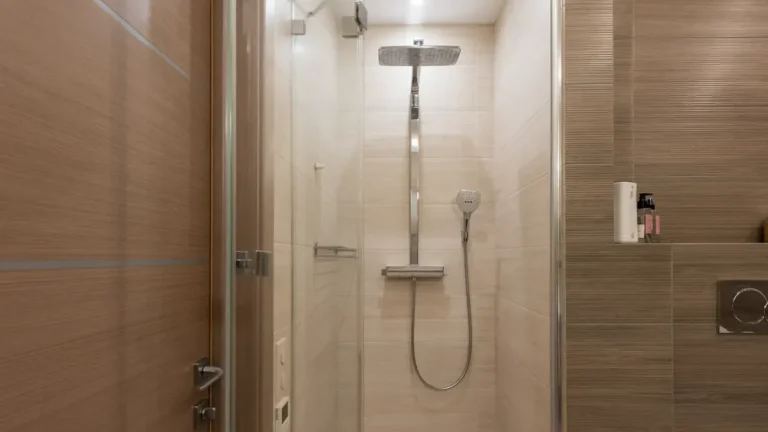
What are the standard and best shower floor tile sizes for modern bathrooms? Most experts agree that tiles between 1 and 4 inches work best for shower floors. These smaller tiles, especially mosaics, provide more grout lines, which help prevent slipping and improve drainage. Larger tiles may look sleek on bathroom floors but often struggle with proper drainage in shower areas. When choosing shower tile sizes, always think about safety, style, and long-term maintenance.
| Tile Size Range | Benefits |
|---|---|
| 1 inch to 4 inches | Better drainage and reduced slipping hazards |
| 1 inch to 2 inches | Enhanced grip and effective water drainage |
| 4-inch squares | Clean look but may struggle with drainage |
Key Takeaways
- Choose shower floor tiles between 1 and 4 inches for better drainage and slip resistance.
- Use larger tiles, like 12×12 or 12×24 inches, for bathroom floors outside the shower for a sleek look.
- Select wall tiles in various sizes, such as 4×4 or 12×24 inches, to create a modern design with fewer grout lines.
- Prioritize non-slip tiles with textured surfaces for safety in wet areas, avoiding shiny or smooth options.
- Regularly clean and maintain grout lines to prevent mold and ensure a safe, attractive shower space.
Standard Shower Tile Sizes
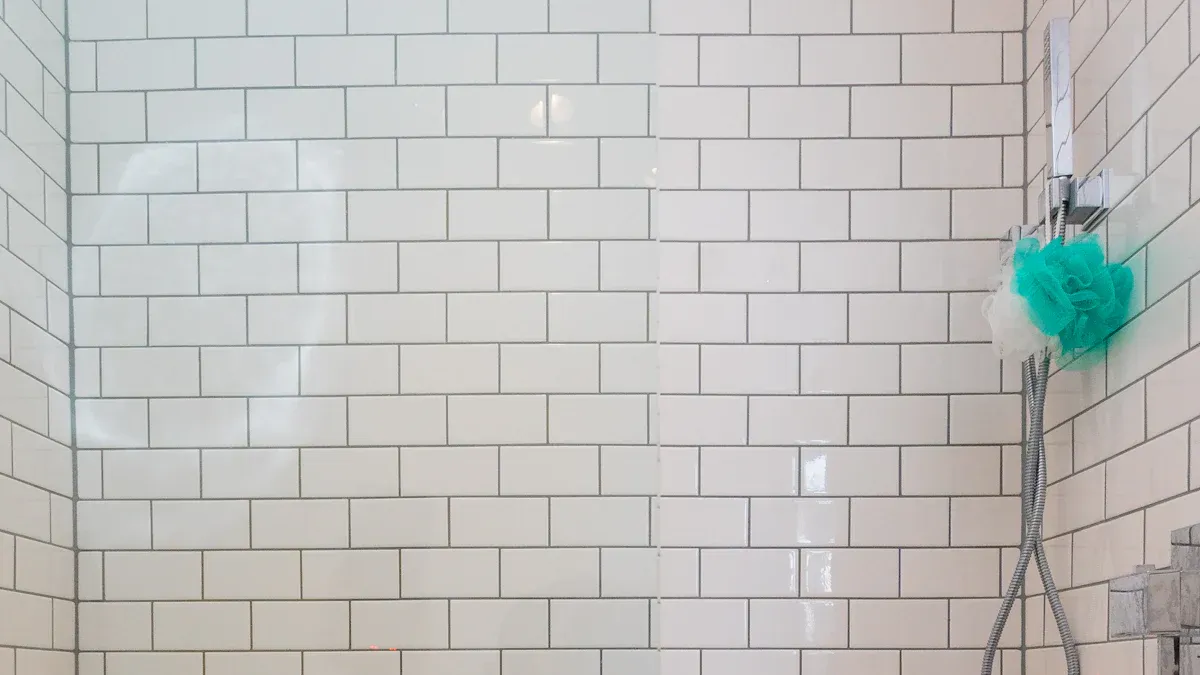
Choosing the right shower tile sizes is essential for both function and style. Tile manufacturers and bathroom designers recommend specific dimensions for floors and walls to ensure safety, easy maintenance, and a visually pleasing result. Understanding these standards helps homeowners select the most appropriate sizes of bathroom floor tiles and wall tiles for their shower spaces.
Floor Tile Dimensions
Shower floors require tiles that support drainage and slip resistance. Most experts suggest using tiles between 1 and 4 inches for shower floors. These smaller tiles, often mosaics, follow the slope toward the drain and provide extra grip. The grout lines between small tiles help prevent slipping, making them ideal for wet environments.
Bathroom floors outside the shower area can use larger tiles. Common sizes include 12×12, 12×24, and 18×18 inches. These sizes are considered the most appropriate sizes of bathroom floor tiles for general use. Larger tiles create a seamless look and reduce grout lines, but they are not recommended for shower floors due to drainage concerns.
Tip: Small tiles work best for shower floors. They adapt to the slope and improve safety.
- Recommended shower floor tile sizes:
- 1×1 inch to 4×4 inch mosaics for shower floors
- 12×12, 12×24, and 18×18 inch tiles for bathroom floors
Wall Tile Dimensions
Wall tiles offer more flexibility in size and design. Designers often use medium or large tiles to create a modern look and minimize grout lines. Common wall tile sizes include 4×4, 4×16, 6×6, 3×6 (subway tile), 12×24, and even larger formats like 24×48 inches. Smaller tiles provide design versatility and enhanced grip, while larger tiles give a sleek appearance and make cleaning easier.
Here is a table showing the benefits of different wall tile sizes:
| Tile Size Category | Common Sizes (inches) | Benefits |
|---|---|---|
| Small Tiles | Various sizes | Flexibility, Design Versatility, Enhanced Grip |
| Medium Tiles | 4×4 to 8×8 | Ease of Installation, Design Flexibility, Maintenance Ease |
| Large Tiles | Various sizes | Sleek Look, Easy Maintenance, Illusion of Space |
For smaller showers, tiles in the range of 4×4 to 6×6 inches help create a balanced look. Standard and larger showers can use bigger formats like 12×24 or 24×48 inches for a modern effect.
Quick Size Reference Chart
The following chart summarizes the most common shower tile sizes for floors and walls:
| Tile Size | Application |
|---|---|
| 1×1 inch | Mosaic tiles for shower floors and accents |
| 2×2 inches | Mosaic tiles for shower floors and accents |
| 3×6 inches | Traditional subway tile for walls |
| 4×8 inches | Modern subway tile for walls |
| 12×12 inches | Most appropriate sizes of bathroom floor tiles |
| 12×24 inches | Popular for both floors and walls |
| 18×18 inches | Most appropriate sizes of bathroom floor tiles |
| 24×24 inches | Large format for spacious designs |
| 24×48 inches | Large format for spacious designs |
- For shower floors: 1×1 to 4×4 inch tiles are recommended for safety and drainage.
- For bathroom floors: 12×12, 12×24, and 18×18 inch tiles are the most appropriate sizes of bathroom floor tiles.
- For shower walls: 4×4, 4×16, 6×6, 12×24, and larger formats are popular.
Shower tile sizes play a crucial role in both the appearance and performance of your bathroom. Selecting the right size ensures a safe, stylish, and easy-to-maintain shower space.
Choosing Shower Floor Tile
Assessing Shower Size
The size of your shower can influence the best tile choice.
- Small showers often look bigger with larger tiles. These tiles create fewer grout lines and make the space feel open.
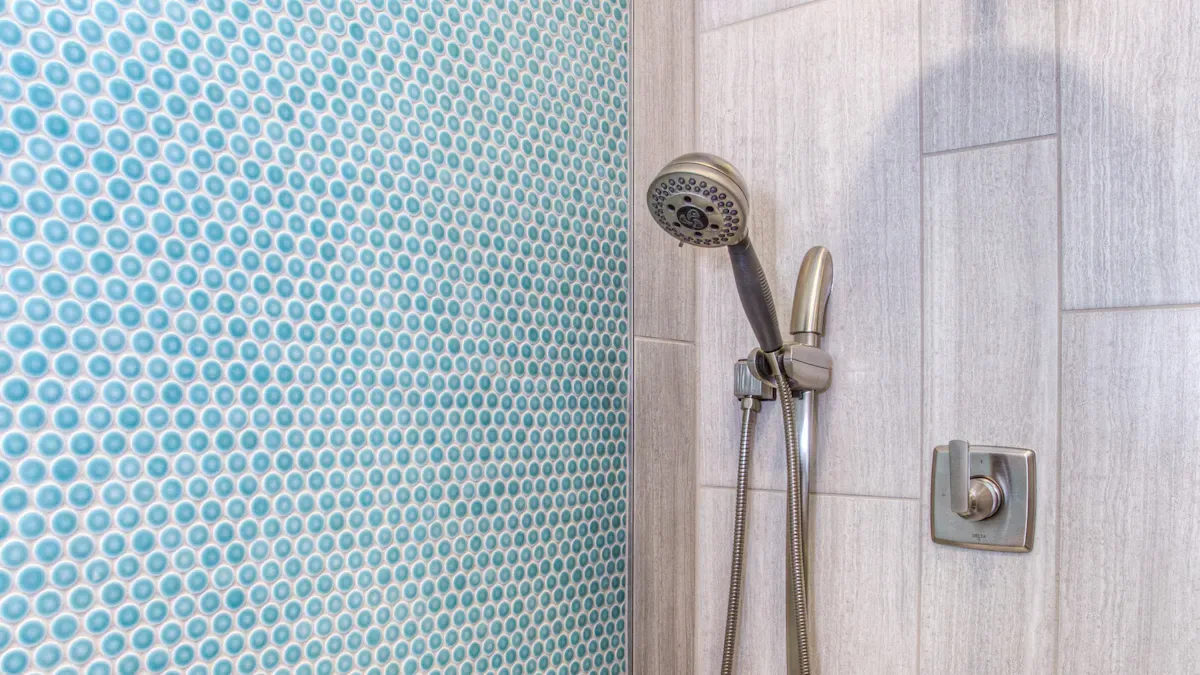
- Large showers can use smaller tiles for a detailed and stylish look. Mosaics or patterns add interest and help the floor follow the slope toward the drain.
Matching Style and Function
When picking a shower floor tile, consider both appearance and how the tile will work in your bathroom.
- Larger tiles can make a small bathroom seem bigger and reduce grout lines.
- Smaller tiles offer better grip but need more cleaning.
- Choose materials with texture, such as natural stone or small ceramic tiles, for safety.
- Neutral colors are classic, while light shades can brighten the room.
- Try to match the tile style with the rest of your bathroom. Using too many different styles can make the space look busy.
- Proper installation is important to prevent leaks and damage.
Safety and Slip Resistance
Safety is a top priority in any shower.
- Always choose non-slip tile for the floor.
- Tiles with rough surfaces or small mosaics provide better grip.
- Avoid shiny or smooth tiles, as they can be slippery.
- Look for a slip resistance rating of IW or IW+ for wet areas.
- Grout lines between small tiles also help prevent slipping.
- Regular cleaning keeps the floor safe and free from soap buildup.
Maintenance Tips
Keeping your shower floor in good shape takes regular care.
- Small tiles have more grout lines, which means more cleaning.
- Check grout for damage and reseal it as needed.
- Clean mold or mildew with water and vinegar.
- Seal natural stone tiles to protect them from stains.
- Use mats at the entrance to keep dirt out.
- Avoid harsh cleaners that can harm tile and grout.
- Make sure your bathroom has good airflow to stop mold growth.
- For tough stains, consider professional cleaning.
Pros and Cons by Tile Size
Small Tiles (1-4 Inches)
Small tiles are often considered the best size tiles for a shower floor. They offer several advantages for both function and design.
- Small tiles, such as mosaics, provide exceptional decorative options for shower niches and accent areas.
- They enable the creation of complex patterns and vibrant color combinations.
- Tiny tiles add texture and visual interest, enhancing the overall aesthetic of the shower.
- Tiles smaller than four inches improve drainage on sloping shower pans.
- The textured surface of small tiles reduces slip injuries in wet areas.
- More grout lines from small tiles provide better grip, minimizing the risk of falls.
However, small tiles require more grout, which means more cleaning and maintenance. Grout lines can collect dirt and mold if not cared for properly.
Medium Tiles (4-8 Inches)
Medium tiles offer a balance between coverage and safety. Their larger size allows for faster installation and provides ample coverage. Medium tiles help reduce the number of grout lines, making grout less noticeable, especially when a color closely matching the tile is used. These tiles can create a clean look and are easier to maintain than small mosaics.
On the downside, medium tiles may not follow the slope of the shower floor as easily as small tiles. They can be less effective for drainage and slip resistance compared to mosaics.
Large Tiles (8+ Inches)
Large tiles create a sleek, modern appearance and make cleaning easier due to fewer grout lines. They work well on bathroom floors outside the shower area. In showers, large tiles can make a space feel bigger and more open.
For shower floors, large tiles are not recommended. They struggle to follow the slope toward the drain, which can lead to water pooling. Large tiles also provide less grip, increasing the risk of slipping.
Drainage and Safety
Drainage and safety are critical factors in shower tile selection.
- Small tiles enhance drainage because they fit the slope of the shower pan.
- More grout lines from small tiles provide better grip and reduce slip hazards.
- Textured surfaces on small tiles further improve safety in wet areas.
Choosing the right tile size ensures a safe and functional shower floor. Small tiles remain the top choice for drainage and slip resistance.
Layouts and Design Impact
Popular Floor Patterns
Shower floors can feature a variety of tile patterns that change the look and feel of the space. Some of the most popular patterns in modern bathrooms include:
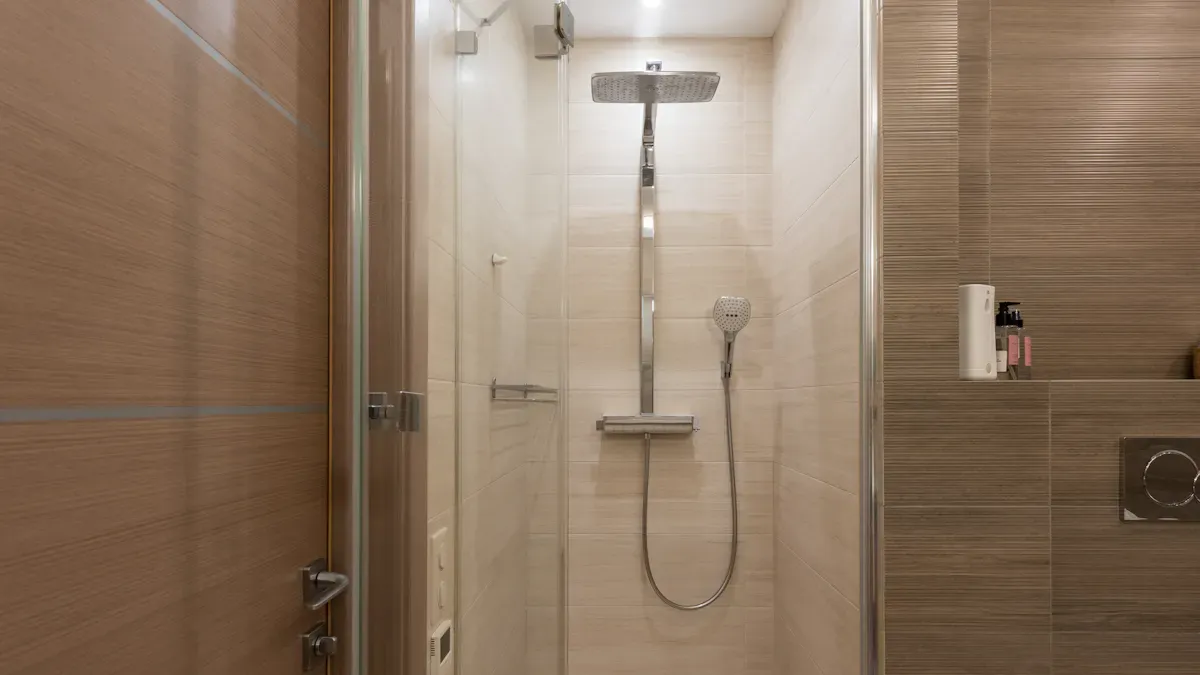
- Classic running bond: Tiles are staggered like bricks, creating a timeless and structured appearance.
- Retro checkerboard: Alternating colors add vintage charm and playful energy.
- Linear layout: Rectangular tiles arranged in a stacked or subway style emphasize clean lines and make the shower appear larger.
- Checkerboard with bold colors: Modern designs often use unique color combinations, such as olive and cream or navy and blush, for a fresh twist.
These patterns allow homeowners to personalize their showers and match their overall bathroom style.
Tile Size and Installation
Tile size plays a major role in the installation process. Large tiles require careful handling to prevent breakage during transport and placement. These tiles are not suitable for shower floors because they can crack near drains, which affects both durability and design. Although it may seem that larger tiles would lower installation costs due to fewer pieces, the extra care and limitations often increase labor and material expenses. Small tiles, especially mosaics, adapt better to sloped shower pans and are easier to install in tight spaces.
Tip: Choose a tile size that matches both your shower’s layout and your installer’s experience for the best results.
Visual Effects
Different tile layouts create unique visual effects in a shower. The following table highlights how layout choices can change the appearance of the space:
| Tile Layout Type | Visual Effect Description |
|---|---|
| Straight Lay Pattern | Emphasizes simplicity and spaciousness, letting natural tile variations stand out. |
| Staggered Brick Pattern | Adds subtle movement and rhythm, guiding the eye along the shower floor. |
| Diagonal Placement | Visually opens up the space, making small showers feel wider and more dynamic. |
| Mixed Tile Sizes and Shapes | Creates a layered, dynamic look with depth and visual contrast while keeping cohesion. |
Selecting the right combination of tile size and layout can transform a basic shower into a standout feature in any bathroom.
Practical Tile Selection Tips
Grout Line Choices
Choosing the right grout line width is important for both appearance and function. Small tiles, often used on shower floors, require a minimum grout width of 2mm. Large format tiles need at least 3mm, while extra-large tiles should have 5mm grout lines. In areas with high movement, such as wet rooms, a grout width between 3mm and 5mm with flexible grout helps maintain stability. Rectified tiles allow for tighter grout lines, usually 1-3mm, while non-rectified tiles need wider gaps to accommodate natural variations. For shower floors, wider grout lines (4-6mm) improve tile stability and drainage. Wall tiles benefit from smaller grout lines, typically 1-2mm, to prevent water infiltration. Floor tiles often use wider grout lines, ranging from 2mm to 5mm, to handle movement and moisture.
Tip: Wider grout lines on shower floors help prevent slipping and support proper drainage.
Transitioning Tile Sizes
A smooth transition between the shower floor and bathroom floor creates a cohesive look. Many designers use a single color with matching grout throughout the shower for a minimalist style. Some homeowners experiment with different shapes in the same color to add interest. Introducing a smaller tile at the transition point can create a subtle shift between spaces. Seamless connections between the shower and bathroom floor make the area feel larger and more unified. The average tile size for bathroom floors is larger than for shower floors, so planning the transition helps maintain visual balance.
- Use consistent colors and grout for a unified appearance.
- Try different shapes or sizes at the transition for added texture.
- Consider seamless transitions to make the space feel open.
Common Mistakes
Homeowners sometimes select grout lines that are too small, which can reduce the character of the tile. Slightly thicker grout lines enhance visual definition and texture. Choosing tiles that are too similar in color may result in a flat look. Adding contrast with different tile sizes or complementary tones brings depth and personality. Pebble tiles offer good traction but need careful installation to avoid loose stones. Medium tiles, like four-inch squares, require proper planning for drainage. Large tiles, such as 12×12, can create safety hazards due to poor drainage and increased risk of slipping. Ignoring grout width and color can affect both the look and function of the shower floor.
Note: Select tile sizes that fit the scale of your bathroom and always consider drainage and safety.
Selecting the best tile size for the shower floor means choosing small tiles that offer more grout lines, which improve grip and drainage. This choice helps prevent slips and supports a safer shower. Use this checklist for your next project:
- Tile material and size
- Layout pattern
- Color and finish
- Grout type
- Budget and installation plan
Visiting a showroom lets you see true tile colors, understand scale, and get expert advice before making a final decision.
FAQ
What is the best tile size for a shower floor?
Most experts recommend using small tiles, usually between 1 and 4 inches. These shower tile sizes provide better grip and drainage. Mosaics are a popular choice for safety and style.
Can I use large tiles on a shower floor?
Large bathroom tile sizes, such as 12×12 inches or bigger, are not ideal for shower floors. They do not follow the slope well and can cause water to pool, increasing slip risk.
Are there standard sizes for shower wall tiles?
Yes. Common shower wall tile sizes include 3×6 inches (subway), 4×4 inches, 6×6 inches, and larger formats like 12×24 inches. Larger tiles create a modern look and reduce grout lines.
How do I choose the right grout line width?
Wider grout lines (about 4-6mm) work best for shower floors. They help with drainage and grip. For wall tiles, narrower grout lines (1-2mm) look cleaner and prevent water from seeping behind tiles.
Do small tiles require more maintenance?
Small tiles have more grout lines, which need regular cleaning. Grout can collect dirt and mold. Sealing grout and using proper cleaners helps keep your shower floor looking fresh.